When temperatures rise sharply during summer, air conditioning systems are forced to work much harder than usual. Many homeowners only notice problems once their home stops cooling properly, but extreme heat often exposes issues that have been building inside the system for months. Components wear down faster, airflow becomes restricted, and electrical parts face constant strain during prolonged heatwaves.
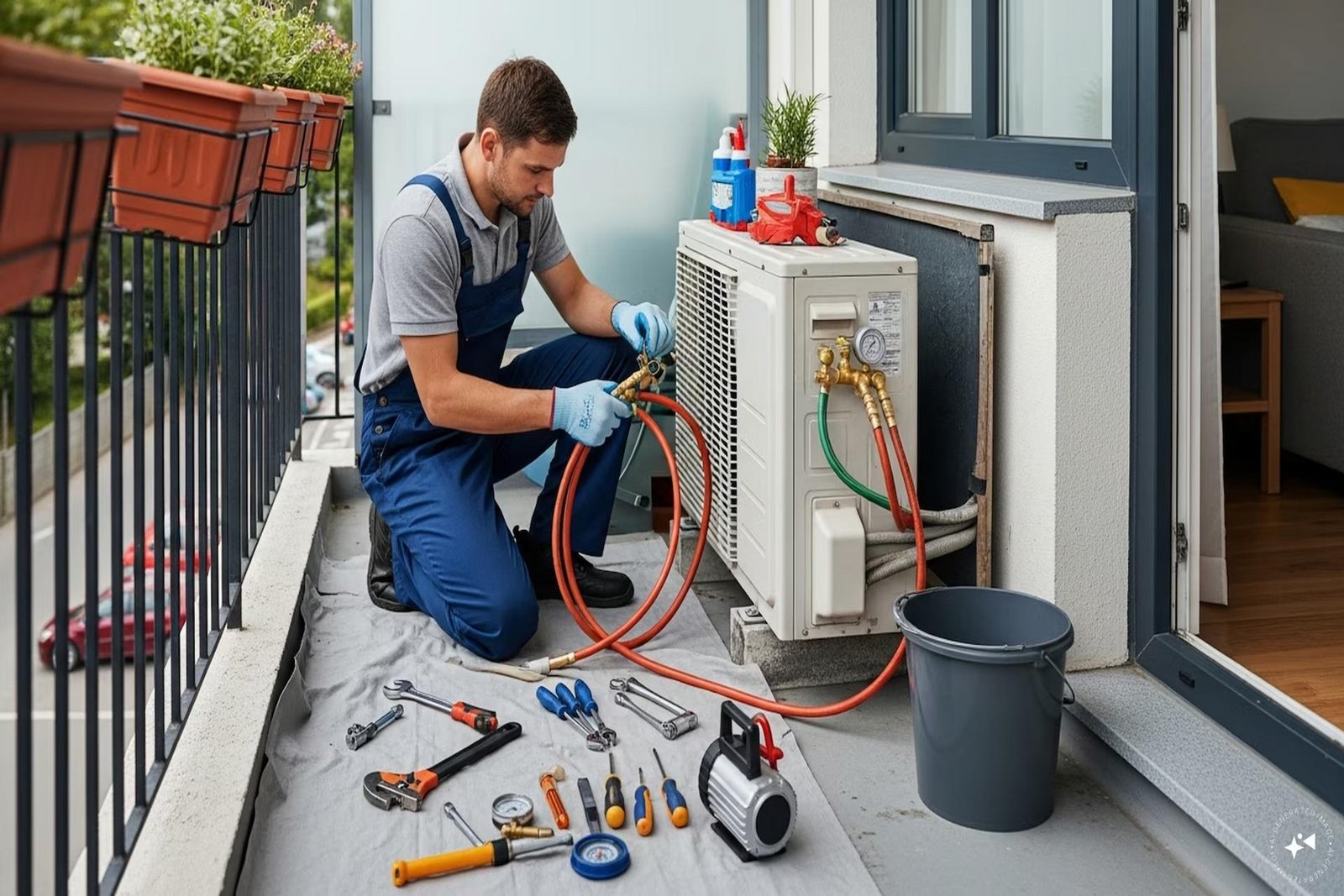
In many cases, homeowners rely on experienced AC repair experts when their systems begin blowing warm air, cycling continuously, or shutting down unexpectedly during peak summer temperatures. Understanding the most common causes of AC breakdowns can help prevent expensive repairs and improve system reliability during the hottest part of the year.
Why Extreme Heat Places Extra Stress on Air Conditioners
Air conditioners are designed to maintain indoor comfort by removing heat from inside the home and releasing it outdoors. During a heatwave, outdoor temperatures remain extremely high for long periods, making it much harder for the system to release that heat efficiently.
As a result, the unit runs for longer cooling cycles and may operate almost continuously throughout the day. This constant workload increases wear on motors, compressors, fans, and electrical components. Older systems are particularly vulnerable because their parts have already experienced years of seasonal stress.
Heatwaves also place added pressure on local electrical grids. Voltage fluctuations and power surges during periods of high energy demand can contribute to system failures, especially in homes with ageing HVAC equipment.
Dirty Air Filters Restrict Cooling Performance
One of the most common reasons air conditioners struggle during hot weather is restricted airflow caused by dirty air filters. When filters become clogged with dust, pet hair, and debris, the system cannot circulate air properly through the home.
Reduced airflow forces the blower motor to work harder while limiting the system’s ability to cool indoor spaces effectively. Over time, this strain can lead to overheating and frozen evaporator coils.
Some common warning signs of a clogged air filter include:
- Weak airflow from vents
- Rooms cooling unevenly
- Higher energy bills
- Longer cooling cycles
- Excess dust inside the home
Replacing filters regularly is one of the simplest ways to reduce unnecessary strain on an air conditioning system during extreme heat.
Refrigerant Problems Become More Noticeable During Heatwaves
Refrigerant plays a critical role in the cooling process. When refrigerant levels are low due to leaks or improper charging, the air conditioner cannot remove heat efficiently from the home.
During mild weather, minor refrigerant problems may go unnoticed. However, during extreme summer temperatures, the system’s reduced cooling capacity becomes far more obvious. Homeowners may notice warm air blowing from vents or difficulty maintaining the thermostat setting.
Low refrigerant levels can also cause evaporator coils to freeze. While this sounds contradictory during hot weather, frozen coils restrict airflow and eventually prevent the system from cooling altogether.
Ignoring refrigerant issues can place excessive strain on the compressor, which is often one of the most expensive AC components to replace.
Outdoor Condenser Units Often Overheat
The outdoor condenser unit is responsible for releasing heat collected from inside the home. During a heatwave, this component already operates under difficult conditions because the surrounding air is extremely hot.
If the condenser unit is dirty or blocked, heat cannot escape efficiently. Dirt buildup on condenser coils, leaves around the unit, or restricted airflow can all contribute to overheating problems.
Several common maintenance mistakes increase the risk of condenser overheating:
- Allowing plants or shrubs to grow too close to the unit
- Failing to clean debris around the system
- Blocking airflow with storage items or fencing
- Neglecting seasonal coil cleaning
Proper airflow around the outdoor unit is essential for maintaining cooling efficiency during periods of extreme heat.
Electrical Components Face Heavy Summer Demand
Heatwaves place significant stress on an air conditioner’s electrical system. Capacitors, contactors, relays, and wiring all work harder when the unit runs continuously for extended periods.
Capacitors are particularly vulnerable because they help start and power motors within the system. High temperatures can weaken these components over time, eventually causing the AC to stop turning on altogether.
Electrical failures often occur suddenly during peak summer conditions. Homeowners may notice:
- Clicking noises without the system starting
- Frequent circuit breaker trips
- Intermittent cooling problems
- Burning smells near the unit
- Unexpected system shutdowns
Older systems are more likely to experience electrical failures because their components have already endured years of thermal expansion and wear.
Poor Maintenance Increases the Risk of Breakdowns
Many air conditioning problems that appear during heatwaves are actually the result of neglected maintenance. Small issues often remain hidden during cooler months but quickly become serious once the system faces heavy summer demand.
Routine servicing allows technicians to inspect refrigerant levels, clean coils, test electrical components, and identify worn parts before they fail completely.
Preventative maintenance can help homeowners:
- Improve cooling efficiency
- Reduce energy consumption
- Extend system lifespan
- Lower the risk of emergency repairs
- Maintain consistent indoor comfort
Annual inspections are particularly important before summer begins, especially in regions that experience prolonged high temperatures.
Warning Signs Your Air Conditioner May Be About to Fail
Air conditioners rarely fail without warning. Many systems show early signs of trouble before a complete breakdown occurs.
Homeowners should pay attention to symptoms such as unusual noises, reduced airflow, inconsistent cooling, or rising energy bills. These issues often indicate internal strain that becomes worse during extreme heat.
Some of the most common warning signs include:
- Warm air coming from vents
- Weak or uneven airflow
- Loud buzzing or grinding sounds
- Constant cycling on and off
- Excess indoor humidity
- Sudden increases in electricity costs
Addressing these problems early can often prevent larger and more expensive repairs later in the summer.
Conclusion
Extreme heat pushes air conditioning systems to their limits. Dirty filters, refrigerant leaks, overheating condenser units, and worn electrical components all become more noticeable when temperatures remain high for long periods.
While some breakdowns are unavoidable in ageing systems, many summer AC failures can be prevented through regular maintenance and early attention to warning signs. Homeowners who prepare their systems before peak summer conditions are far less likely to face sudden cooling problems during a heatwave.
Keeping the system clean, replacing filters regularly, and scheduling professional inspections can significantly improve reliability, efficiency, and overall indoor comfort throughout the hottest months of the year.