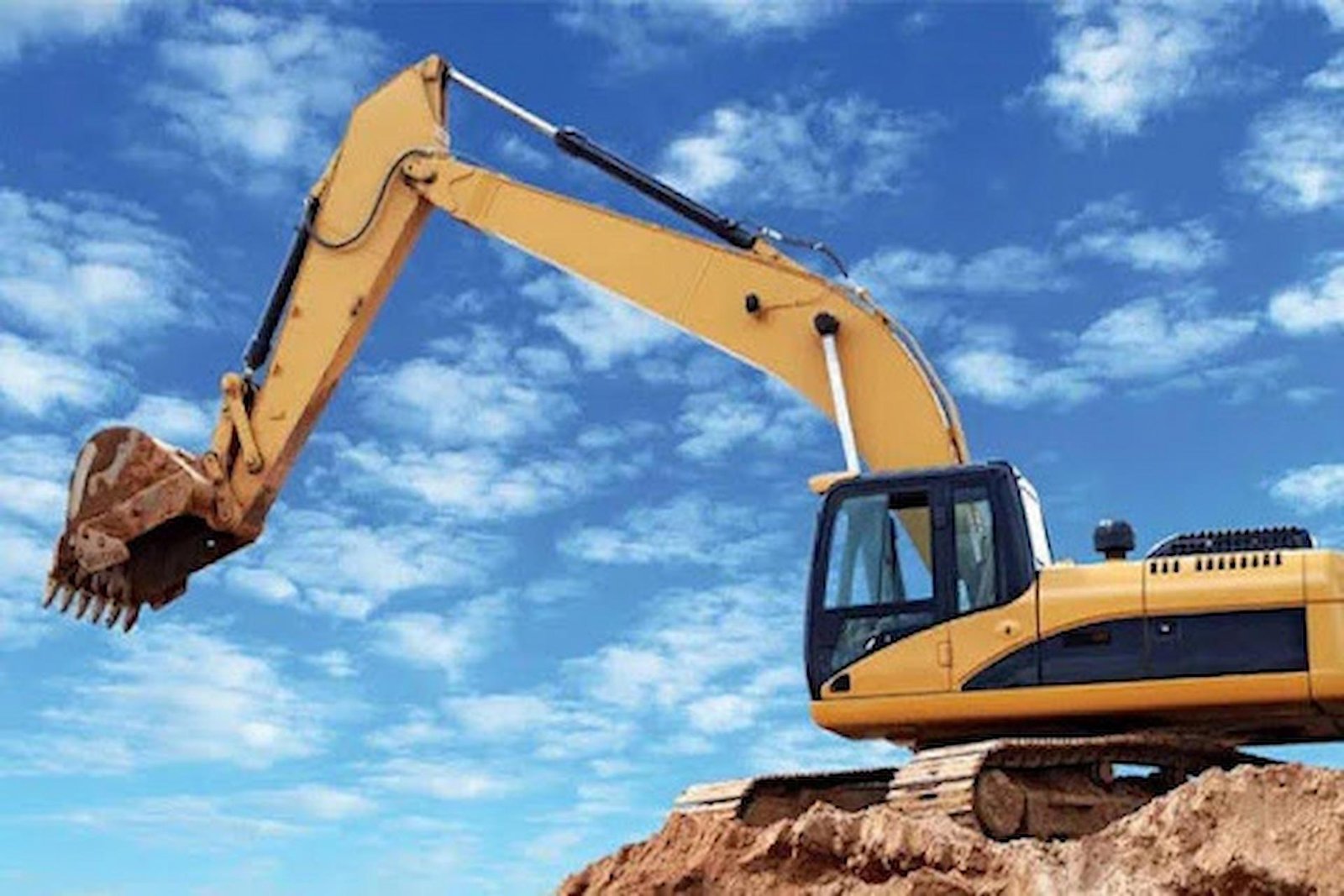
Hydraulic excavator breakers are transforming how heavy-duty construction and demolition projects are executed. From breaking through reinforced concrete to shaping quarry rocks, these powerful attachments deliver efficiency, precision, and durability. Understanding their applications and advantages can help businesses choose the right tools and optimise their operations.
In the fast-paced world of construction, demolition, and mining, efficiency and precision are everything. Traditional methods of breaking rock, concrete, and other hard materials are often time-consuming, labour-intensive, and costly. This is where hydraulic excavator breakers come in — powerful, versatile tools that attach to excavators and make tough jobs faster, safer, and more efficient. Their ability to deliver controlled impact force has revolutionised how industries approach heavy-duty tasks.
What Are Hydraulic Excavator Breakers?
Hydraulic excavator breakers, also known as hydraulic hammers, are percussion tools powered by the hydraulic system of an excavator. By converting hydraulic pressure into mechanical energy, they deliver high-impact blows that can break through tough materials like concrete, rock, and asphalt. Designed to handle extreme conditions, these breakers are commonly used in construction, demolition, mining, and infrastructure development.
Their simple design — typically consisting of a piston, valve system, and tool bit — allows them to deliver consistent, powerful strikes with minimal maintenance. This reliability has made them indispensable in modern heavy machinery operations.
Key Applications of Hydraulic Excavator Breakers
- Demolition and Urban Construction: One of the most common uses is in building demolition. Hydraulic excavator breakers easily dismantle reinforced concrete structures, bridges, and foundations. Their precision allows operators to target specific areas without causing collateral damage, which is crucial in dense urban environments.
- Mining and Quarrying Operations: In mining and quarrying, speed and strength are essential. Breakers are used to fragment large rocks, extract minerals, and shape quarry faces. They eliminate the need for blasting in certain situations, making operations safer and more environmentally friendly.
- Road and Infrastructure Projects: When roads, tunnels, or pipelines require excavation through hard materials, hydraulic excavator breakers are the tool of choice. They are frequently used to break asphalt, reinforced concrete pavements, and bridge decks during repair and expansion works.
- Trenching and Foundation Work: For construction projects that require deep foundations or trenching through rocky soil, breakers offer a practical solution. They make it easier to clear obstacles quickly, ensuring that project timelines are maintained.
- Recycling and Secondary Breaking: In recycling applications, these breakers crush concrete and other debris into smaller, reusable pieces. In mining, they perform secondary breaking — reducing oversized rocks into manageable sizes for transport and processing.
Major Benefits of Hydraulic Excavator Breakers
Enhanced Productivity: These breakers significantly speed up tasks that would otherwise require extensive manual labour or blasting. Their continuous impact force ensures materials are broken down efficiently, saving time and increasing project output.
Cost-Effectiveness: While the initial investment in hydraulic excavator breakers may be high, the return on investment is substantial. Reduced labour costs, faster project completion, and minimal downtime all contribute to long-term savings.
Versatility Across Industries: From construction and mining to recycling and infrastructure development, breakers adapt to a wide range of applications. Their compatibility with different excavator sizes and attachment options enhances their utility.
Precision and Control: Operators can control the impact force and direction, allowing for precise breaking. This is particularly valuable in demolition projects near existing structures or underground utilities, where accuracy is essential.
Durability and Reliability: Modern breakers are built with high-strength materials and advanced engineering, designed to withstand continuous heavy use. With proper maintenance, they offer years of reliable service even in challenging environments.
Practical Tips for Maximising Breaker Efficiency
To get the most out of hydraulic excavator breakers, operators should follow a few best practices:
- Choose the right size: Match the breaker to the excavator’s capacity and the material being worked on.
- Regular maintenance: Routine checks on seals, bushings, and tool bits can extend lifespan and prevent costly repairs.
- Proper positioning: Ensure the breaker tool is perpendicular to the surface to avoid excessive wear or damage.
- Avoid dry firing: Always keep the tool in contact with the material before activating to prevent internal damage.
Future Trends: Smarter and More Efficient Breakers
As the construction and mining sectors evolve, so do hydraulic excavator breakers. Emerging trends include noise-reduced designs for urban areas, energy-efficient systems for lower fuel consumption, and smart monitoring technology that tracks performance and maintenance needs. These innovations are making breakers safer, more sustainable, and more effective than ever before.
Conclusion:
Hydraulic excavator breakers are more than just powerful attachments — they are essential tools that enhance productivity, precision, and cost-efficiency across industries. Whether it’s demolishing concrete, shaping quarry faces, or clearing foundations, their versatility and strength make them indispensable for modern heavy-duty operations. By investing in the right breaker and following best practices, companies can significantly boost their operational capabilities and tackle even the toughest jobs with confidence.