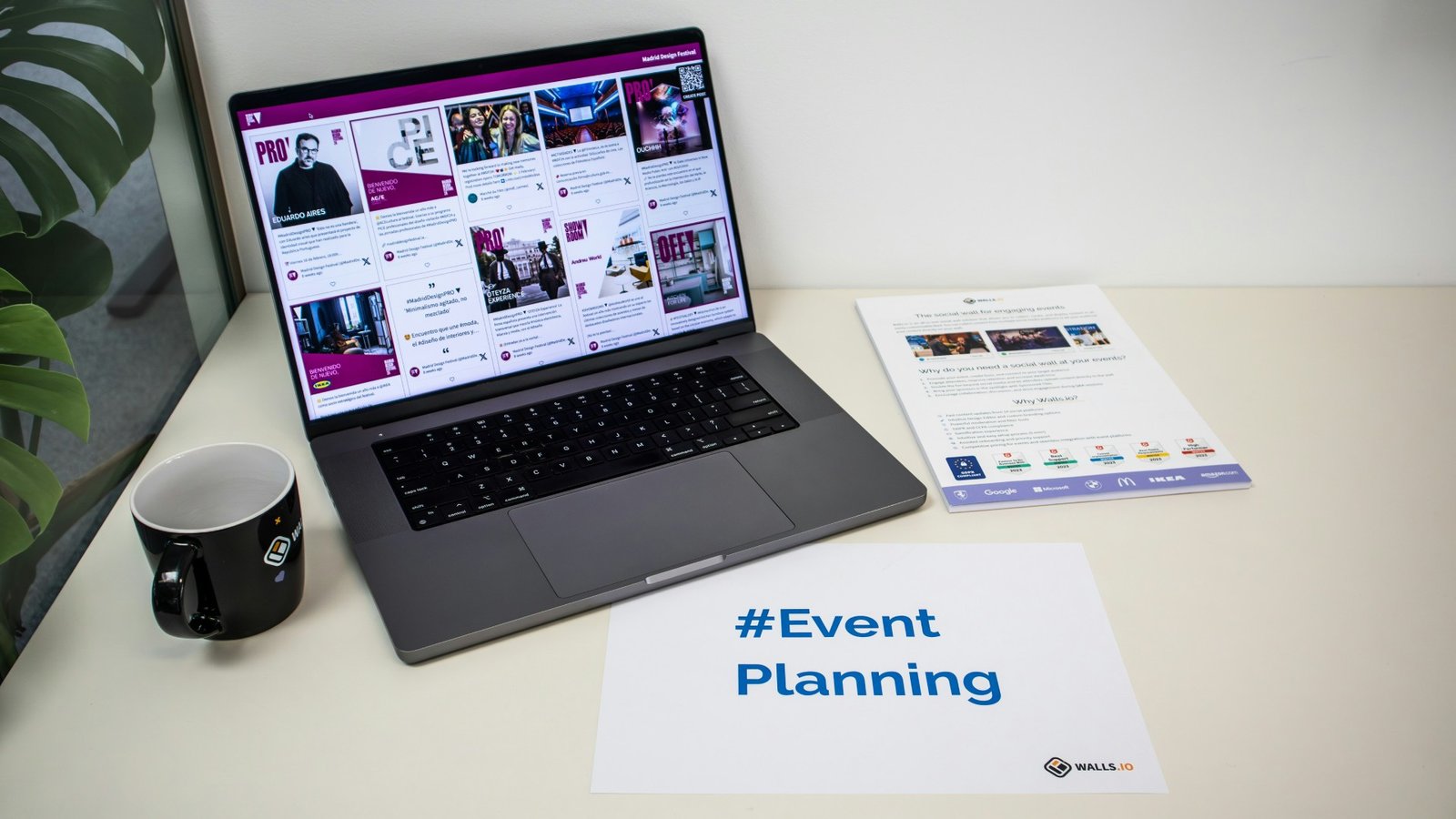
In an age where digital interaction dominates daily life, the value of real-world and virtual events has grown rather than diminished. People are no longer just attending events—they are seeking meaningful experiences, connections, and insights. Whether it is a corporate conference, a music festival, a product launch, or a community gathering, events have become a powerful way to engage audiences in ways that static content simply cannot.
The curiosity lies in this: why do events continue to thrive despite the convenience of online communication? The answer is rooted in human behavior. People crave interaction, storytelling, and shared experiences. Events provide a space where ideas come alive, relationships are built, and brands establish deeper trust with their audience.
The Shift from Gatherings to Experiences
Events have transformed significantly over the years. What once focused on attendance numbers and formal agendas has evolved into experience-driven engagement. Today’s attendees expect more than just information. They want immersive environments, interactive sessions, and memorable moments that resonate beyond the event itself.
This shift has been influenced by changing audience expectations and technological advancements. Hybrid events, for instance, have become increasingly popular, allowing organizers to blend physical and virtual experiences seamlessly. This not only expands reach but also offers flexibility for participants across different locations.
A well-designed event now considers every detail, from personalized invitations to post-event follow-ups. The goal is no longer just participation but lasting impact.
Why Events Remain a Powerful Marketing Tool
Events offer a unique advantage in building credibility and trust. Unlike traditional advertising, they provide direct interaction between brands and audiences. This creates a sense of authenticity that is difficult to achieve through digital campaigns alone.
When people attend an event, they engage with a brand on multiple levels. They listen, observe, interact, and form opinions based on real experiences. This multi-sensory engagement strengthens brand recall and fosters loyalty.
For businesses, events also provide valuable insights. Real-time feedback, audience behaviour, and engagement patterns can reveal what truly resonates. This information can then be used to refine future strategies and improve overall communication.
The Role of Technology in Modern Events
Technology has redefined how events are planned and experienced. From AI-driven networking tools to live streaming platforms, digital integration has enhanced accessibility and engagement.
Virtual and hybrid formats have opened new possibilities, allowing organisers to reach global audiences without geographical limitations. Interactive features such as live polls, Q&A sessions, and real-time analytics have made events more dynamic and participatory.
At the same time, technology has improved event management efficiency. Automated registrations, data tracking, and personalised communication help organisers deliver smoother and more tailored experiences.
However, the key lies in balance. While technology enhances events, it should not overshadow the human element that makes them meaningful.
Creating Memorable Event Experiences
A successful event is not defined solely by its scale or budget but by the experience it delivers. Attention to detail plays a crucial role in shaping how attendees perceive and remember an event.
Storytelling is one of the most effective ways to create impact. When an event is built around a clear narrative, it becomes easier for attendees to connect with its purpose. Whether it is a brand story, a social cause, or an educational theme, a strong narrative provides direction and meaning.
Engagement is another critical factor. Interactive sessions, live demonstrations, and open discussions encourage participation and keep audiences involved. When attendees feel valued and heard, they are more likely to remember and share their experience.
Consistency also matters. From branding to communication, every element should align with the event’s objective. This creates a cohesive experience that reinforces the message.
The Importance of Planning and Strategy
Behind every successful event lies careful planning and a well-defined strategy. Understanding the target audience is the first step. Knowing their preferences, expectations, and behaviours helps in designing an event that truly resonates.
Clear objectives provide direction and focus. Whether the goal is brand awareness, lead generation, education, or community building, every aspect of the event should align with this purpose.
Logistics, timing, and communication are equally important. Even the most creative concept can fail if execution is poor. Smooth coordination ensures that attendees have a positive experience from start to finish.
Evaluation should not be overlooked. Post-event analysis helps identify strengths and areas for improvement. This continuous learning process is essential for long-term success.
The Future of Events
The future of events is likely to be more personalized, inclusive, and technology-driven. As audiences become more selective, the emphasis will shift towards quality over quantity. Smaller, more focused events that deliver high value may become more common.
Sustainability is also gaining importance. Eco-friendly practices, digital materials, and responsible resource management are becoming key considerations in event planning.
At the same time, the human element will remain central. No matter how advanced technology becomes, the core purpose of events—to connect people—will not change.
Conclusion
Events have evolved into powerful platforms for connection, engagement, and storytelling. They bridge the gap between digital convenience and human interaction, offering experiences that leave a lasting impression. As trends continue to shift, the ability to adapt and innovate will define successful events. For businesses and individuals alike, investing in meaningful, well-planned events is no longer optional. It is a strategic approach to building relationships, sharing ideas, and creating impact. The real value of an event lies not just in what happens during it, but in what people take away long after it ends.