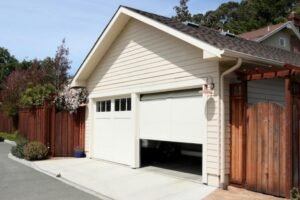
 A garage door that stops midway can disrupt your entire day. It’s not only inconvenient but can also pose a safety risk if left unaddressed. Understanding the possible causes and knowing when to call an expert can save you time, money, and frustration. Let’s explore why garage doors get stuck and what you can do to fix the problem safely.
Why Garage Doors Get Stuck Midway
When your garage door suddenly refuses to open or close completely, several factors could be at play. Mechanical problems, power failures, or worn components are often to blame. A faulty sensor, a broken spring, or misaligned tracks can all cause the system to jam. Understanding how to fix a garage door that won’t open or close begins with identifying the problem.
For instance, debris in the tracks or dried-up rollers may stop the door midway. Similarly, damaged torsion springs can disrupt balance, making the door too heavy for the opener to lift. If you’re unsure of the exact cause, always switch off the power supply before inspecting. Attempting repairs without proper tools or knowledge can lead to accidents. In such cases, professional technicians who understand how to fix a garage door that won’t open or close can diagnose and repair the issue safely.
The Role of Sensors, Springs, and Tracks
Modern garage doors rely on sensors to prevent accidents. When these sensors detect an obstruction, they stop the door from closing to avoid injury or damage. Sometimes, dirt or misalignment in the sensor’s path can trigger false signals, causing the door to jam. Cleaning the lenses and ensuring they face each other correctly often resolves the issue.
Broken or weakened springs are another frequent cause. Springs bear most of the door’s weight, and when one snaps, the system struggles to move. Likewise, bent or misaligned tracks prevent smooth movement, forcing the door to halt midway. Regular inspection of these components can help prevent such issues from developing.
Repair or Replacement – Which Is Better?
When faced with a malfunctioning door, many homeowners wonder if garage door repair or replacement is the question to ask. The answer depends on the problem’s severity. If the issue involves simple wear and tear, repairs are often sufficient and cost-effective. However, if your garage door is old, heavily damaged, or frequently breaks down, replacement might be the better choice.
Professional technicians can evaluate your door’s condition and help you decide whether garage door repair or replacement is the right choice. Repairs restore functionality quickly, while a new installation ensures improved safety and efficiency for years. Investing in the right option prevents recurring costs and provides peace of mind.
Common Causes of Jammed Garage Doors
A door can get stuck halfway for various reasons. Power failures are often overlooked but can easily stop your system from operating. Always check whether the motor unit is plugged in and receiving electricity. Remote control issues, such as dead batteries or signal interference, can also be to blame.
Physical obstructions, such as small stones or dirt lodged in the tracks, may seem minor but can completely halt the door. Similarly, worn cables or pulleys reduce tension and affect balance. Identifying and addressing these problems early helps prevent costly repairs later.
When to Call a Professional
While some minor issues can be fixed at home, others require expert attention. If you hear grinding noises, see broken springs, or notice uneven movement, stop operating the door immediately. Continuing to use it may worsen the damage or cause the cables to snap. A trained technician can inspect every component, from sensors to motors, ensuring the system functions smoothly again.
Professionals also check for hidden issues that homeowners might overlook. For instance, they can test the opener’s force settings, replace worn rollers, or realign bent tracks. Their experience ensures not only a quick fix but also a longer-lasting solution.
Preventive Maintenance for Long-Term Safety
Preventive maintenance is key to avoiding sudden breakdowns. Regularly clean the tracks, lubricate moving parts, and test the balance every few months. If you notice the door feels heavier than usual or moves unevenly, it’s a sign that something needs attention. Annual professional servicing is also recommended to ensure all parts remain in good working order.
Replacing old or weak components on time can extend your garage door’s lifespan. A well-maintained system not only operates quietly but also enhances your home’s security and convenience.
The Importance of Safety and Professional Care
Garage doors operate under high tension, and even minor mistakes can lead to injury. Springs and cables carry substantial force, making DIY repairs unsafe without proper training. That’s why expert help is essential for handling major faults. Technicians follow strict safety procedures and use specialised tools to manage repairs effectively.
By trusting professionals, you reduce the risk of accidents and ensure that every component is inspected thoroughly. Quality repairs also improve energy efficiency by sealing gaps and preventing unnecessary heat loss in colder months.
Final Thoughts
A garage door stuck halfway isn’t just an inconvenience—it’s a signal that something needs immediate attention. From faulty sensors and broken springs to misaligned tracks, several factors can disrupt smooth operation. Acting quickly prevents further damage and ensures your door stays safe and reliable. Regular maintenance, timely repairs, and professional inspections are the best ways to keep your garage door working efficiently year-round.