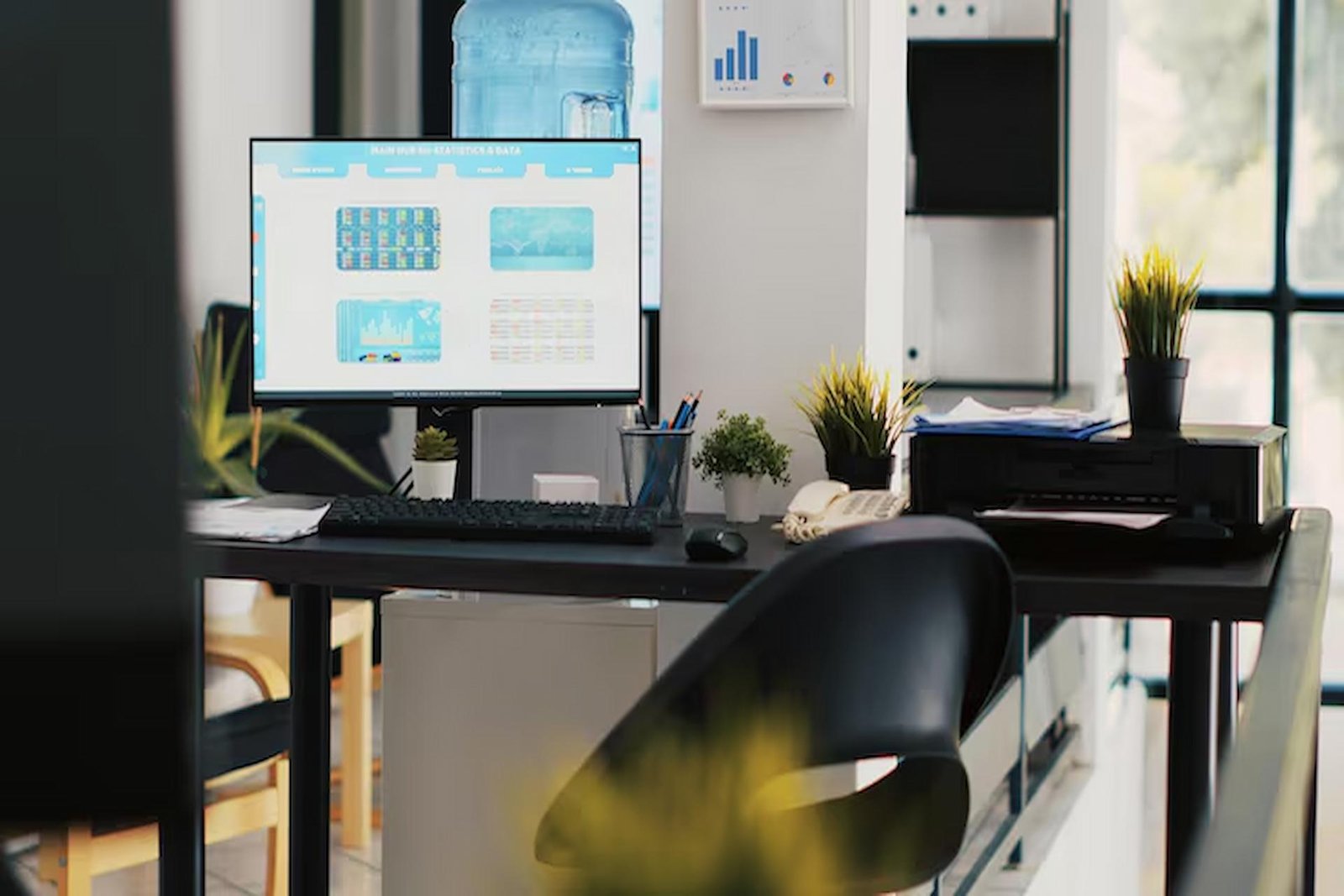
Working from home has become a normal part of modern life. For many people, the kitchen table, sofa, or spare bedroom quickly turned into a workspace. While this may work for a short period, a poorly designed setup can affect productivity, comfort, and even long-term health. Creating a dedicated home office is no longer simply about having a desk and a chair. It is about building an environment that helps you stay focused, comfortable, and motivated throughout the working day.
The good news is that you do not need a large room or a huge budget to create a workspace that genuinely supports your daily routine. With thoughtful planning and a few practical adjustments, almost any space can become an effective home office.
Choosing the Right Location
The location of your home office plays a major role in your ability to concentrate. If possible, choose an area with minimal distractions and a clear separation from household activities. A spare room is ideal, but many people successfully work from a corner of a bedroom, living room, or unused hallway.
Natural light can make a significant difference to mood and energy levels. Positioning your desk near a window allows daylight to brighten the space and reduce dependence on artificial lighting during the day. At the same time, avoid placing your monitor directly in front of a window, as glare can strain your eyes and make work more difficult.
The goal is to create a space that feels distinct from the rest of the home, helping your brain switch into work mode when needed.
Investing in Comfort and Ergonomics
One of the most important elements of any home office is comfortable furniture. Many people underestimate the impact that poor posture can have on their health and productivity.
A supportive chair should encourage proper sitting posture and provide adequate back support. Your feet should rest comfortably on the floor, while your knees remain at a natural angle. The desk should allow your arms to rest comfortably while typing without raising your shoulders.
Monitor placement is equally important. The top of the screen should sit roughly at eye level to reduce strain on the neck and shoulders. Small adjustments can make a noticeable difference over the course of a full working day.
Quality office furniture may seem like an expense initially, but it often becomes a worthwhile investment in both wellbeing and efficiency.
Creating a Clutter-Free Environment
Physical clutter can quickly become mental clutter. A desk covered with paperwork, cables, and miscellaneous items can make it harder to focus and stay organised.
Keeping only essential items within reach helps maintain a cleaner and more productive workspace. Simple storage solutions such as drawers, shelves, or desktop organisers can keep documents and supplies neatly arranged.
Cable management is another often-overlooked detail. Loose wires not only create visual clutter but can also become a safety hazard. Cable clips, sleeves, and under-desk organisers help create a cleaner, more professional-looking environment.
A tidy workspace promotes clearer thinking and makes daily tasks feel more manageable.
Lighting Matters More Than You Think
Good lighting is essential for both comfort and productivity. Poor lighting can contribute to headaches, eye strain, and fatigue.
Natural daylight remains the best option whenever available. For darker areas, a combination of overhead lighting and a quality desk lamp can provide balanced illumination throughout the day.
Avoid harsh lighting that creates strong shadows or excessive screen glare. Soft, evenly distributed light helps maintain comfort during extended periods of work.
Many professionals now choose adjustable lighting that can be tailored to different tasks, creating a more flexible and comfortable working environment.
Managing Noise and Distractions
One of the biggest challenges of working from home is dealing with noise. Family members, neighbours, traffic, and household appliances can all interrupt concentration.
Soft furnishings such as rugs, curtains, and upholstered furniture help absorb sound and reduce echoes. Noise-cancelling headphones can also provide an effective solution when complete silence is not possible.
Establishing clear boundaries with other household members is equally important. Defining work hours and creating expectations around interruptions can significantly improve focus and productivity.
Supporting Motivation and Work-Life Balance
A successful home office supports more than just work tasks. It should also help maintain healthy boundaries between professional and personal life.
Personal touches can make the space more enjoyable without becoming distracting. Plants, artwork, or meaningful decorative items can create a welcoming atmosphere while improving mood.
At the end of the workday, physically leaving the workspace or putting away work equipment helps signal that the working day is over. This separation can prevent work from constantly spilling into personal time.
Many professionals find that creating a dedicated environment improves both productivity during work hours and relaxation afterwards.
Frequently Asked Questions
How much space do I need for a home office?
You do not need a dedicated room to create an effective home office. A quiet corner with enough space for a desk, chair, and essential equipment can work extremely well when organised properly.
What is the most important piece of home office furniture?
A supportive ergonomic chair is often the most important investment. It directly affects posture, comfort, and long-term physical health during extended working hours.
How can I reduce eye strain when working from home?
Position your monitor at eye level, maintain proper lighting, reduce screen glare, and take regular breaks to rest your eyes throughout the day.
What should I do if my home is noisy?
Noise-cancelling headphones, soft furnishings, and clear household boundaries can help reduce distractions and create a more focused working environment.
Is natural light important in a home office?
Yes. Natural light can improve mood, boost energy levels, and reduce eye strain. It also helps create a more pleasant and productive workspace.
How do I maintain work-life balance when working from home?
Create clear working hours, use a dedicated workspace, and develop routines that separate work time from personal time to avoid burnout.
Final Thoughts
A well-designed home office can have a powerful impact on your daily performance, comfort, and overall wellbeing. Whether you have a dedicated room or a small corner of your home, thoughtful decisions about furniture, lighting, organisation, and layout can transform the way you work. The most effective workspace is one that supports both productivity and comfort while helping maintain healthy boundaries between work and personal life. By creating an environment tailored to your needs, you can work more efficiently, feel more comfortable throughout the day, and build a sustainable routine that supports long-term success.